
Woman Zoom Pose
Woman Zoom Pose
Woman Zoom Pose
Woman Zoom Pose
Woman Zoom Pose
Woman Zoom Pose
Woman Zoom Pose
Woman Zoom Pose
Woman Zoom Pose
Woman Zoom Pose

Raidar

Created for the Immerse the Bay 2023 Hackathon at Stanford University.

Originally based on the YOLOv8 repo.

Raidar

Created for the Immerse the Bay 2023 Hackathon at Stanford University. Originally based on the YOLOv8 repo.

Case Study

3 min read

My Role

Experience Designer

My Role

Experience Designer

My Role

Experience Designer

Timeline

2023

Timeline

2023

Timeline

2023

Tools

Figma | Unity | AR | Immerse the bay

Tools

Figma | Unity | AR | Immerse the bay

Tools

Figma | Unity | AR | Immerse the bay

Team

2 Engineer | Developer | Me (Experience Designer)

Team

2 Engineer | Developer | Me (Experience Designer)

Team

2 Engineer | Developer | Me (Experience Designer)

Man with TV
Man with TV
Man with TV

Problem

Raidar was developed as a tool to help cyclists navigate the 21st century.


We blended android powered XReal glasses, Orbec monocular camera, and ONNX-yolov8 object detection into a bike helmet to help cyclists tackle 3 distinct problems:


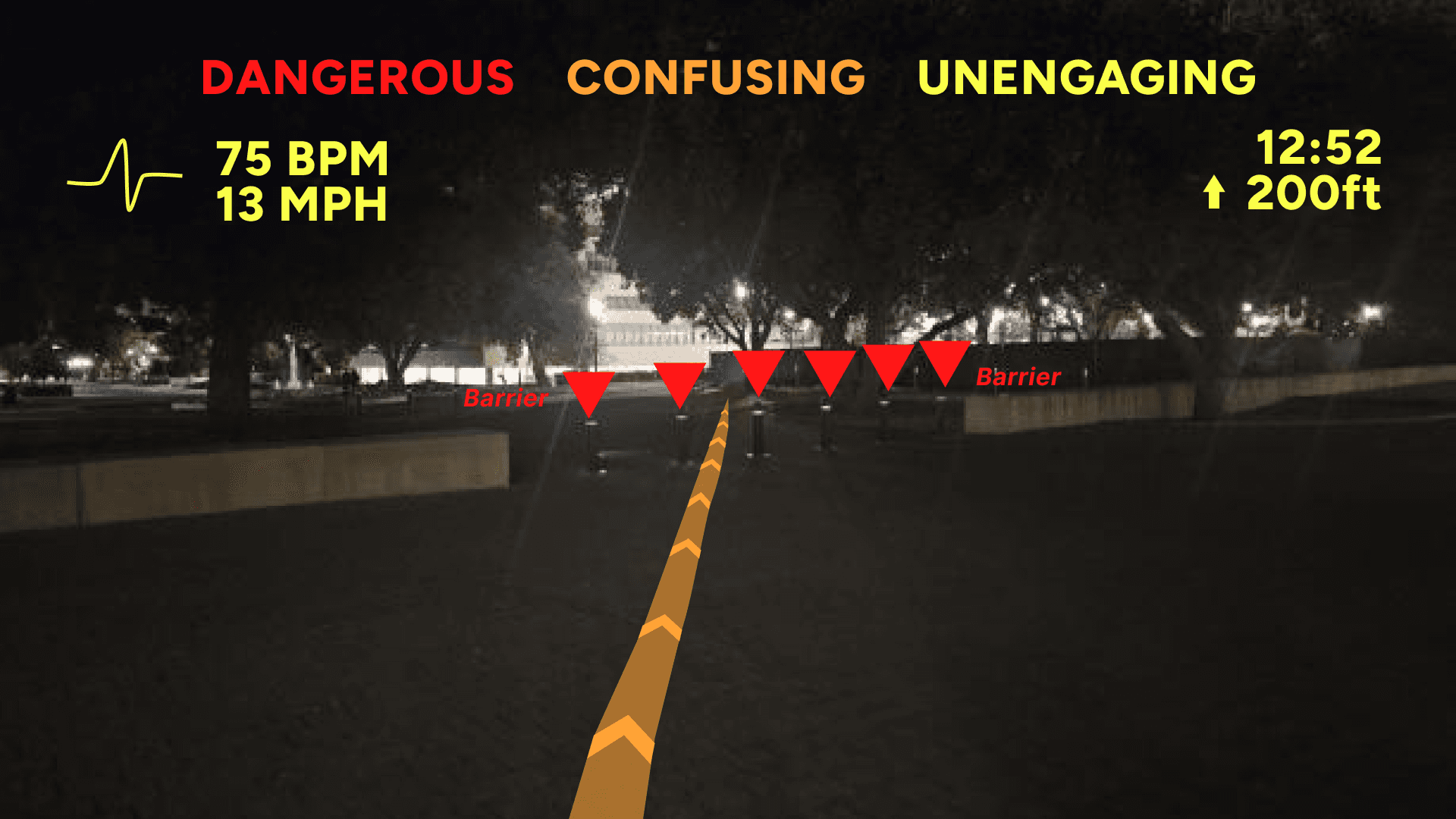
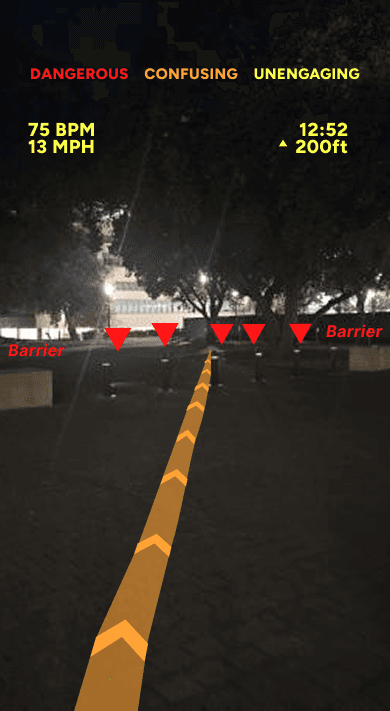
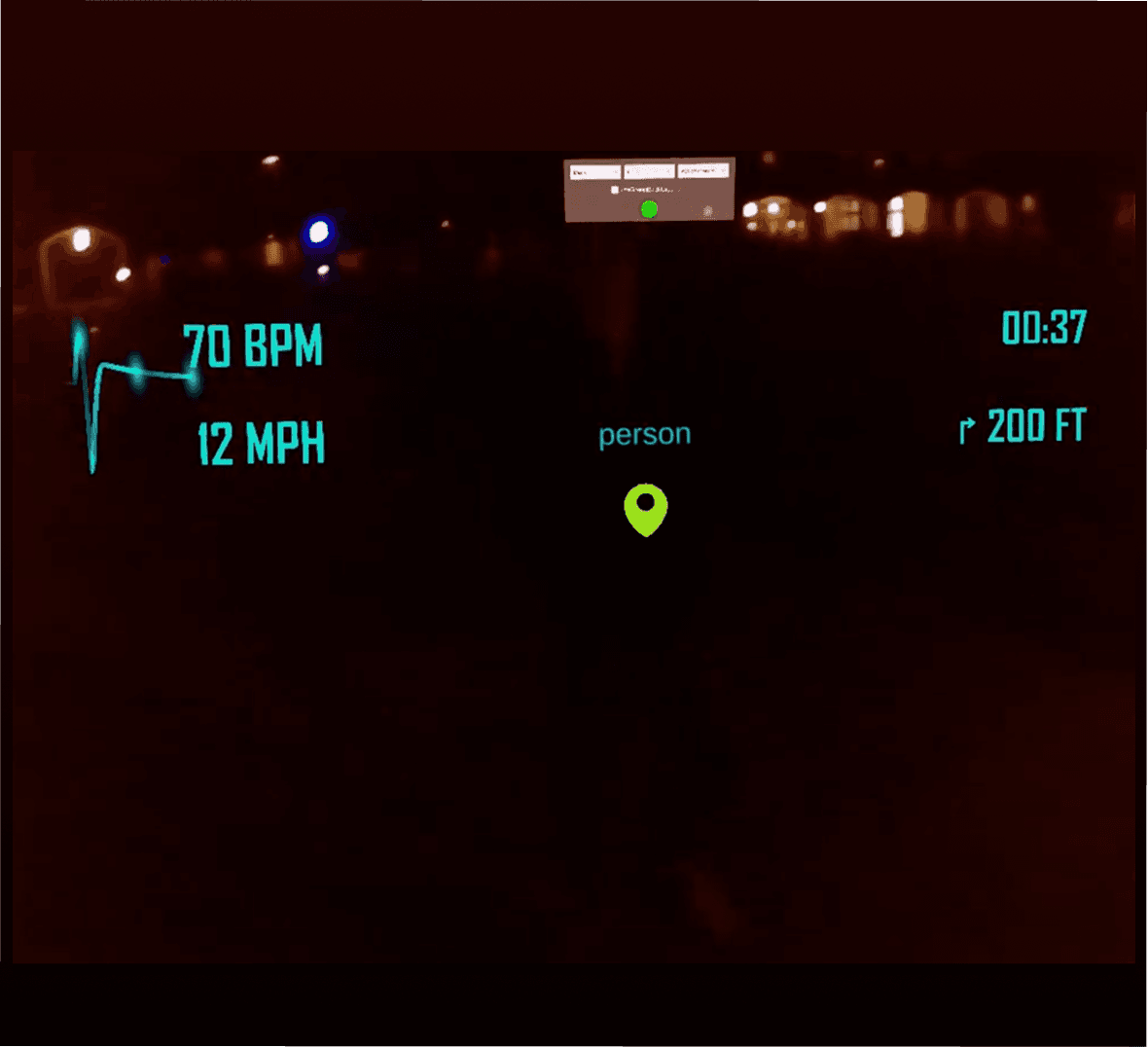
🔦 Poor Visibility: a "second set of eyes" to see objects, know what, and how close they are (in daytime or nighttime).


🌏 Confusion: project map route and directions to ease navigation burden.


💕 Engage: an immersive display of key biometrics such as heart rate/EKG.


We envision Raidar becoming a fully integrated helmet with lightweight XReal glasses that can serve as the ✨ gold standard of cyclist style and performance.


What it does?

Raidar is an augmented reality (AR) platform.

Raidar integrates XReal glasses and Orbec monocular camera mounted on a bicycle helmet.


We embedded ONNX-Yolov8-object-detection to track and identify objects in the scene.


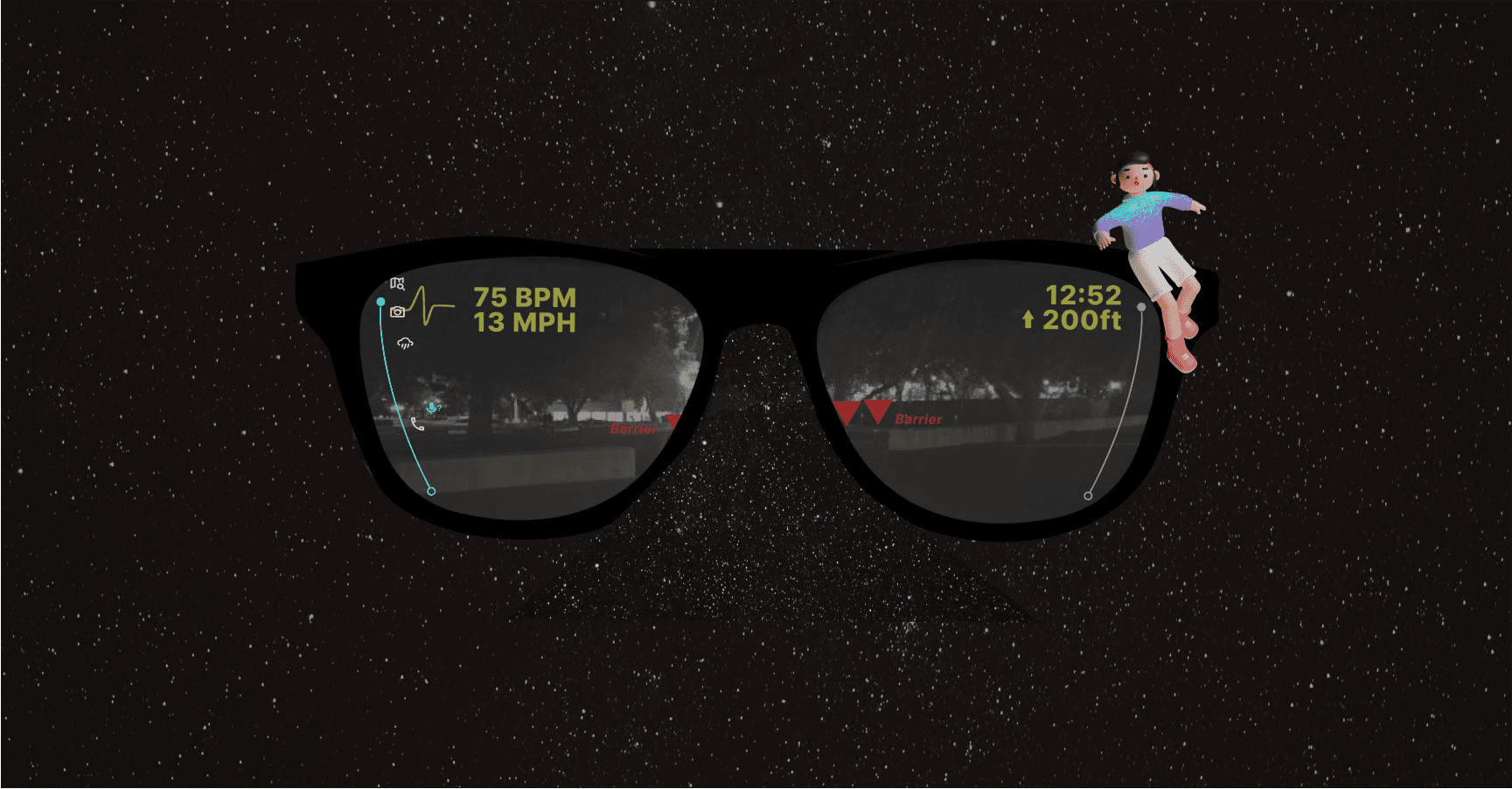
Our algorithm is capable of classifying over 200 distinct objects in real-time. We anchored EKG/heart rate, time, speed, metrics onto our AR display.

Man Side Pose
Man Side Pose
Man Side Pose

Problem Exploration

Affinity Map

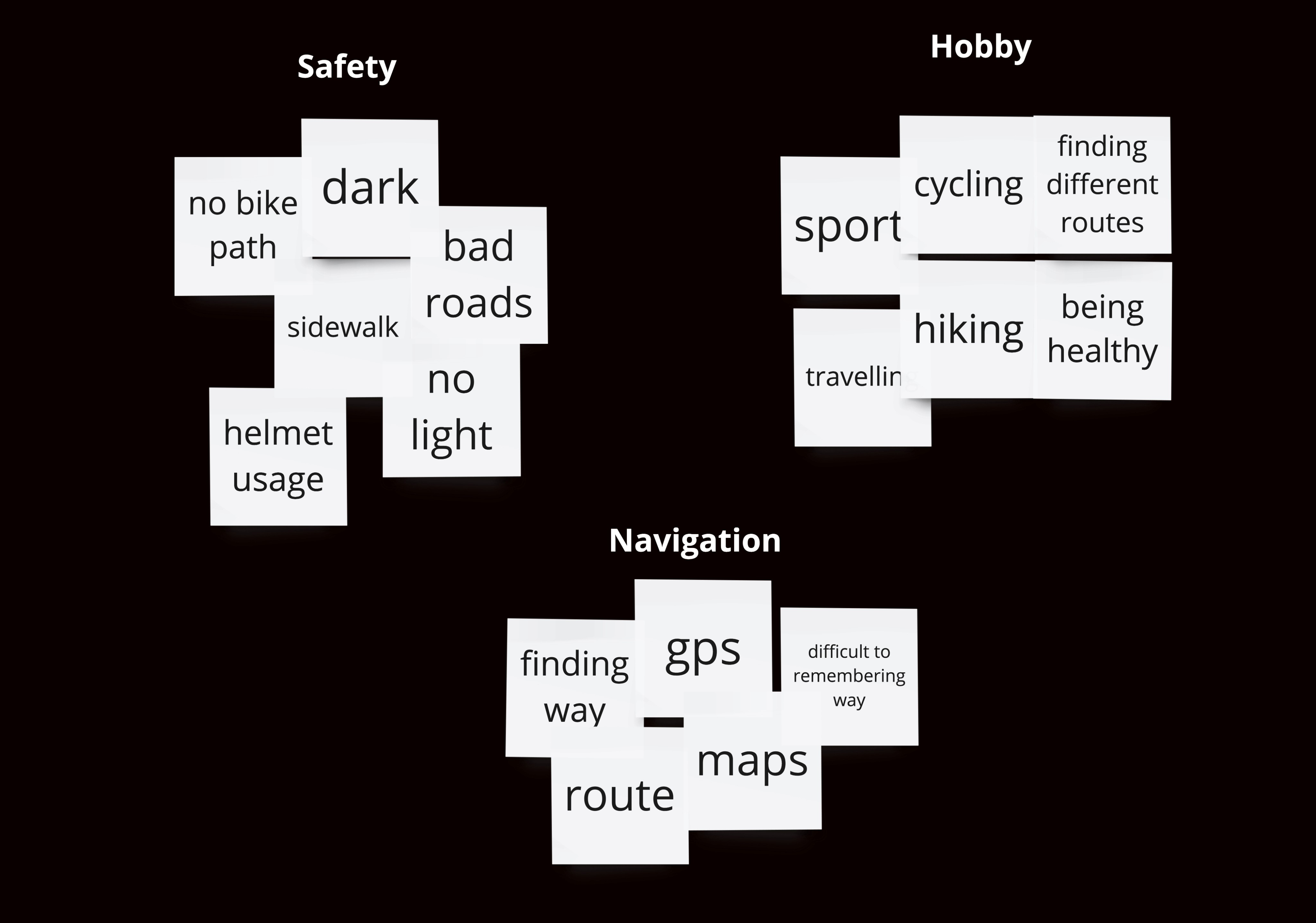
In the ideation phase, we started with an affinity map to identify the main problems and grouped them together on the Miro board.
Vision

How might we effectively connect student-athletes with expert life coaches to boost their mental performance and well-being while enabling coaches to expand their clientele cost-effectively?

How might we effectively connect student-athletes with expert life coaches to boost their mental performance and well-being while enabling coaches to expand their clientele cost-effectively?

How might we effectively connect student-athletes with expert life coaches to boost their mental performance and well-being while enabling coaches to expand their clientele cost-effectively?

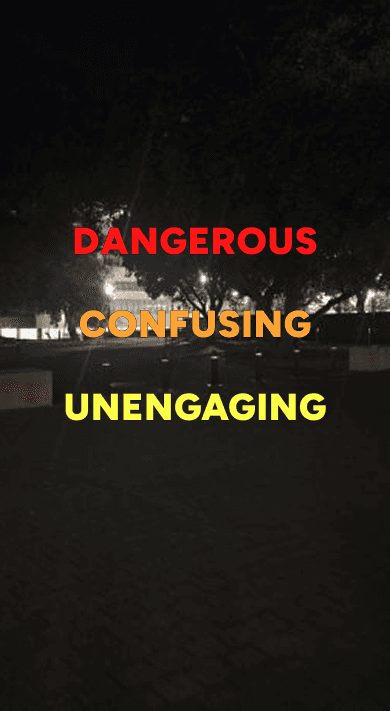
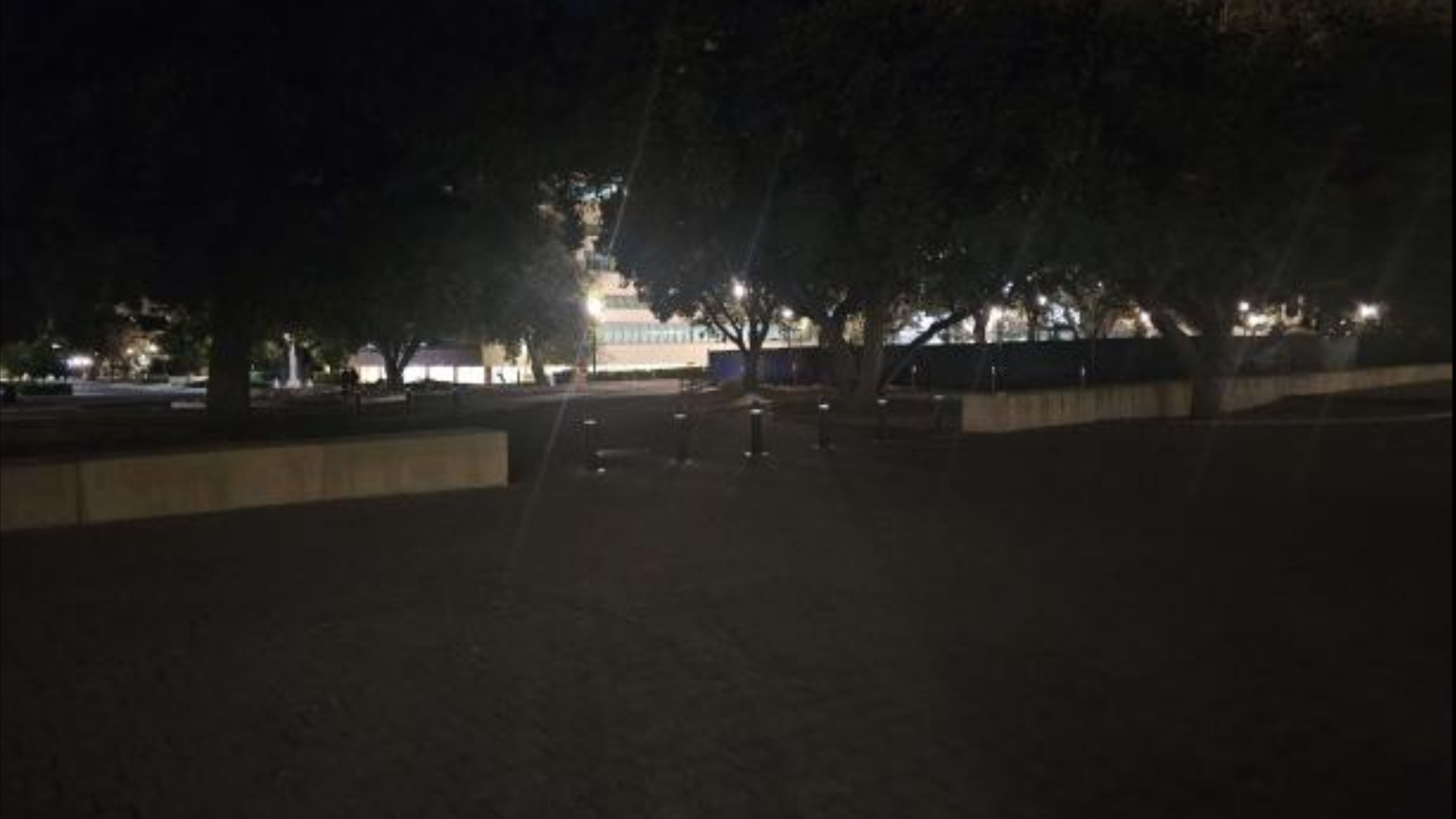
We found that biking commutes can be DANGEROUS, CONFUSING and UNENGAGING, especially at night. We have developed and AR helmet UX to address this.

We found that biking commutes can be DANGEROUS, CONFUSING and UNENGAGING, especially at night. We have developed and AR helmet UX to address this.

Man Leaning On TV

Let's dive into the the story

Let's dive into the the story

Man Leaning On TV

Let's dive into the the story

Imagine yourself
cycling home after work. What do you see?


Imagine yourself
cycling home after work. What do you see?


LET'S
DEVELOP


LET'S
DEVELOP

Imagine yourself
cycling home after work. What do you see?


What is Raidar?

What is Raidar?

What is Raidar?

Platforms

Lenovo A3

Device

Basic Hud

Object Detection

GPS Path

Pico4

XReal

Lenovo A3

Pico4

XReal

GPS Path

Lenovo A3

Pico4

XReal

Basic Hud

Lenovo A3

Pico4

XReal

Object Detection

How we build it?

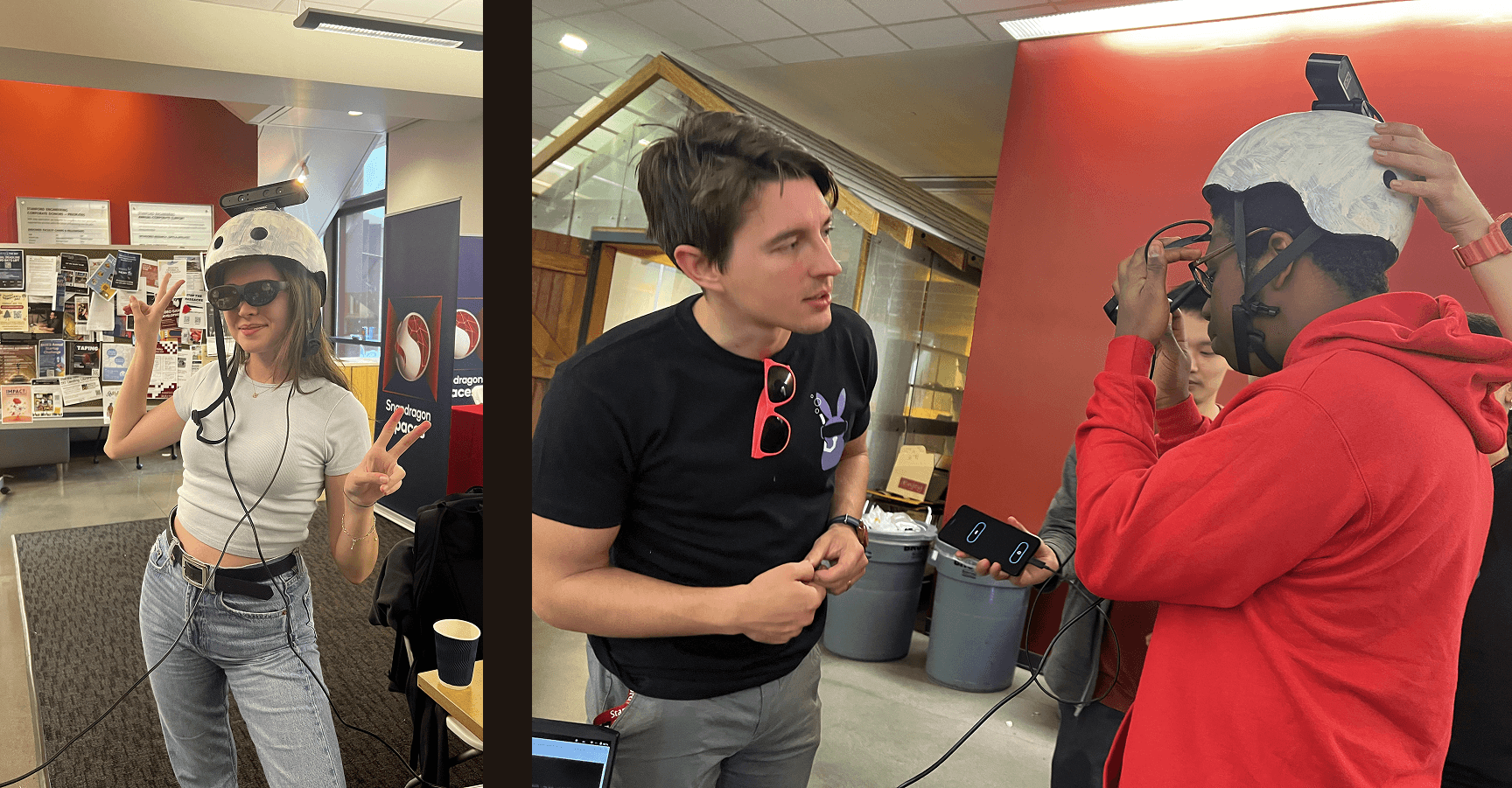
The hardware for RAIDAR consists of a helmet with Orbec camera that was attached with a drilled mount. XReal glasses and android cell phone were connected in the ecosystem with a wired connection. We optimized the user experience by working on UI/UX concurrent with user feedback. We tested Pico4, Lenovo A3, and XReal glasses for portability and function. We worked with different system configurations while creating our demo.

How we build it?

The hardware for RAIDAR consists of a helmet with Orbec camera that was attached with a drilled mount. XReal glasses and android cell phone were connected in the ecosystem with a wired connection. We optimized the user experience by working on UI/UX concurrent with user feedback. We tested Pico4, Lenovo A3, and XReal glasses for portability and function. We worked with different system configurations while creating our demo.

Testing & Validation

The solution was tested in the early hours of 12 November 2023 at Stanford University.


Limitations

-Not all features functional on all devices

-GPS path on A3 is clipping -badly to the ground,can cause dizziness

-Connection to smart watch not done

-Better helmet integration is needed

Limitations

-Not all features functional on all devices

-GPS path on A3 is clipping -badly to the ground,can cause dizziness

-Connection to smart watch not done

-Better helmet integration is needed

How we build it?

The hardware for RAIDAR consists of a helmet with Orbec camera that was attached with a drilled mount. XReal glasses and android cell phone were connected in the ecosystem with a wired connection. We optimized the user experience by working on UI/UX concurrent with user feedback. We tested Pico4, Lenovo A3, and XReal glasses for portability and function. We worked with different system configurations while creating our demo.

How we build it?

The hardware for RAIDAR consists of a helmet with Orbec camera that was attached with a drilled mount. XReal glasses and android cell phone were connected in the ecosystem with a wired connection. We optimized the user experience by working on UI/UX concurrent with user feedback. We tested Pico4, Lenovo A3, and XReal glasses for portability and function. We worked with different system configurations while creating our demo.

Testing & Validation

The solution was tested in the early hours of 12 November 2023 at Stanford University.


Limitations

-Not all features functional on all devices

-GPS path on A3 is clipping -badly to the ground,can cause dizziness

-Connection to smart watch not done

-Better helmet integration is needed

Testing & Validation

The solution was tested in the early hours of 12 November 2023 at Stanford University.


How we build it?

The hardware for RAIDAR consists of a helmet with Orbec camera that was attached with a drilled mount. XReal glasses and android cell phone were connected in the ecosystem with a wired connection. We optimized the user experience by working on UI/UX concurrent with user feedback. We tested Pico4, Lenovo A3, and XReal glasses for portability and function. We worked with different system configurations while creating our demo.

How we build it?

The hardware for RAIDAR consists of a helmet with Orbec camera that was attached with a drilled mount. XReal glasses and android cell phone were connected in the ecosystem with a wired connection. We optimized the user experience by working on UI/UX concurrent with user feedback. We tested Pico4, Lenovo A3, and XReal glasses for portability and function. We worked with different system configurations while creating our demo.

How we build it?

The hardware for RAIDAR consists of a helmet with Orbec camera that was attached with a drilled mount. XReal glasses and android cell phone were connected in the ecosystem with a wired connection. We optimized the user experience by working on UI/UX concurrent with user feedback. We tested Pico4, Lenovo A3, and XReal glasses for portability and function. We worked with different system configurations while creating our demo.

Challenges we run into

Challenges we run into

Making a real-time compliant detection pipeline was challenging at first.


Another issue we faced was recording our live demo screen output on XReal glasses. This issue was resolved using XReal's RGB camera sample code (C#).


We also spent time optimizing the hardware set-up to reduce weight and maintain the balance of the helmet.


Making a real-time compliant detection pipeline was challenging at first.


Another issue we faced was recording our live demo screen output on XReal glasses. This issue was resolved using XReal's RGB camera sample code (C#).


We also spent time optimizing the hardware set-up to reduce weight and maintain the balance of the helmet.


What is next for Raidar?

AI Integration & More Features

-Enhancing Features & Sensor Integration

-Hardware Miniaturization & Brand Partnership

-AI-Powered Navigation & Assistance

Team says hi


What is next for Raidar?

AI Integration & More Features

-Enhancing Features & Sensor Integration

-Hardware Miniaturization & Brand Partnership

-AI-Powered Navigation & Assistance

Team says hi

Accomplishments that we're proud of

Accomplishments that we're proud of

We built an AR platform from scratch in 36 hours!

-Built a user-friendly AR experience for cyclists.

-Enjoyed working in a diverse team and learning from each other.

-First hackathon for one member and first hardware track experience for others.


What we learned?

What we learned?

Raidar is an augmented reality (AR) platform.

-During the prototype phase of our project, we gained valuable experience working on integration with multiple hardware components, image processing pipelines, and UI/UX.

-We demonstrated how to apply Orbec monocular camera, android powered XReal glasses, and object identification algorithm(s) in cyclist applications for the first time.


-Successfully implemented ONNX-YOLOv8 in the Raidar helmet despite challenges.