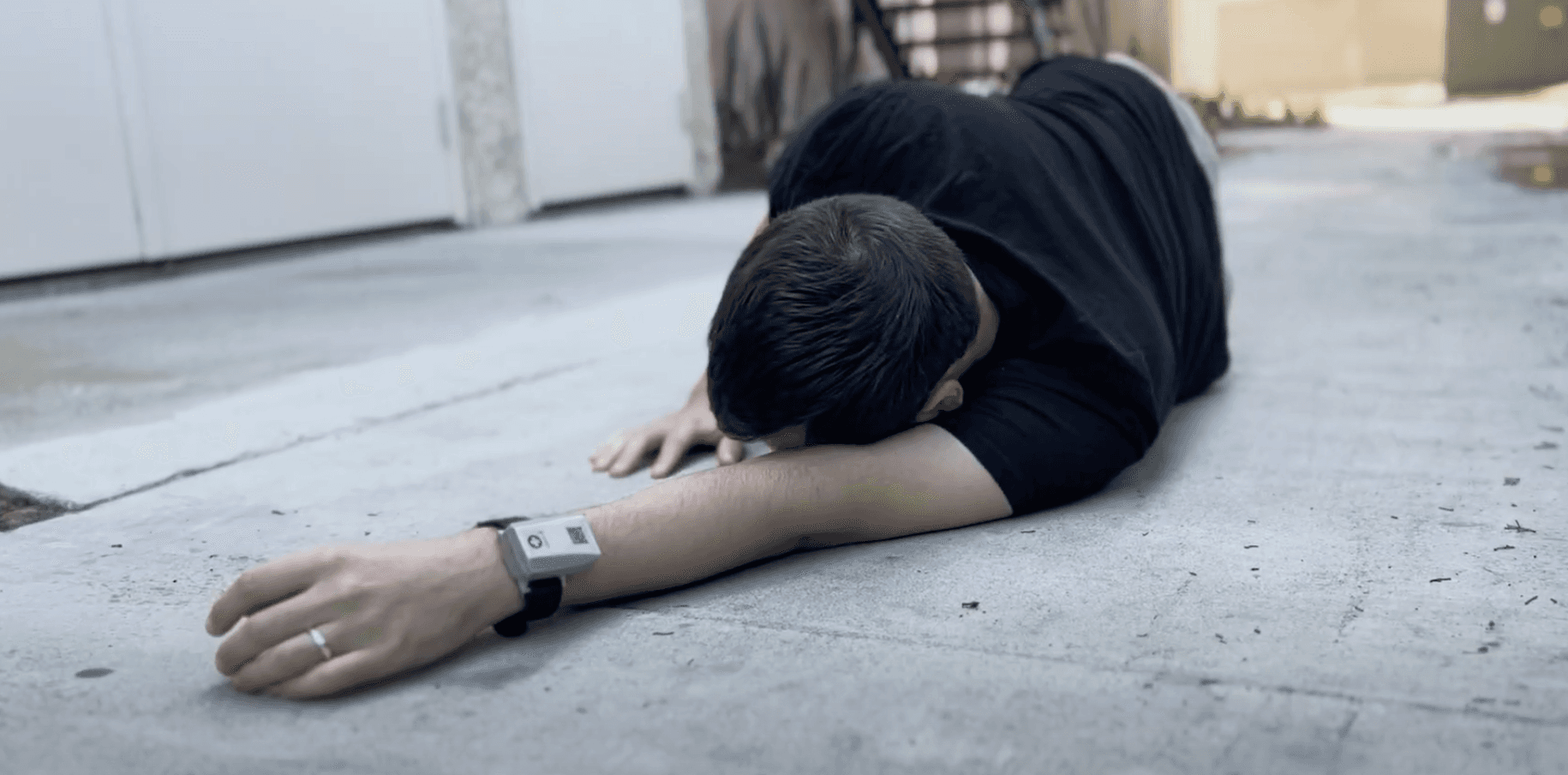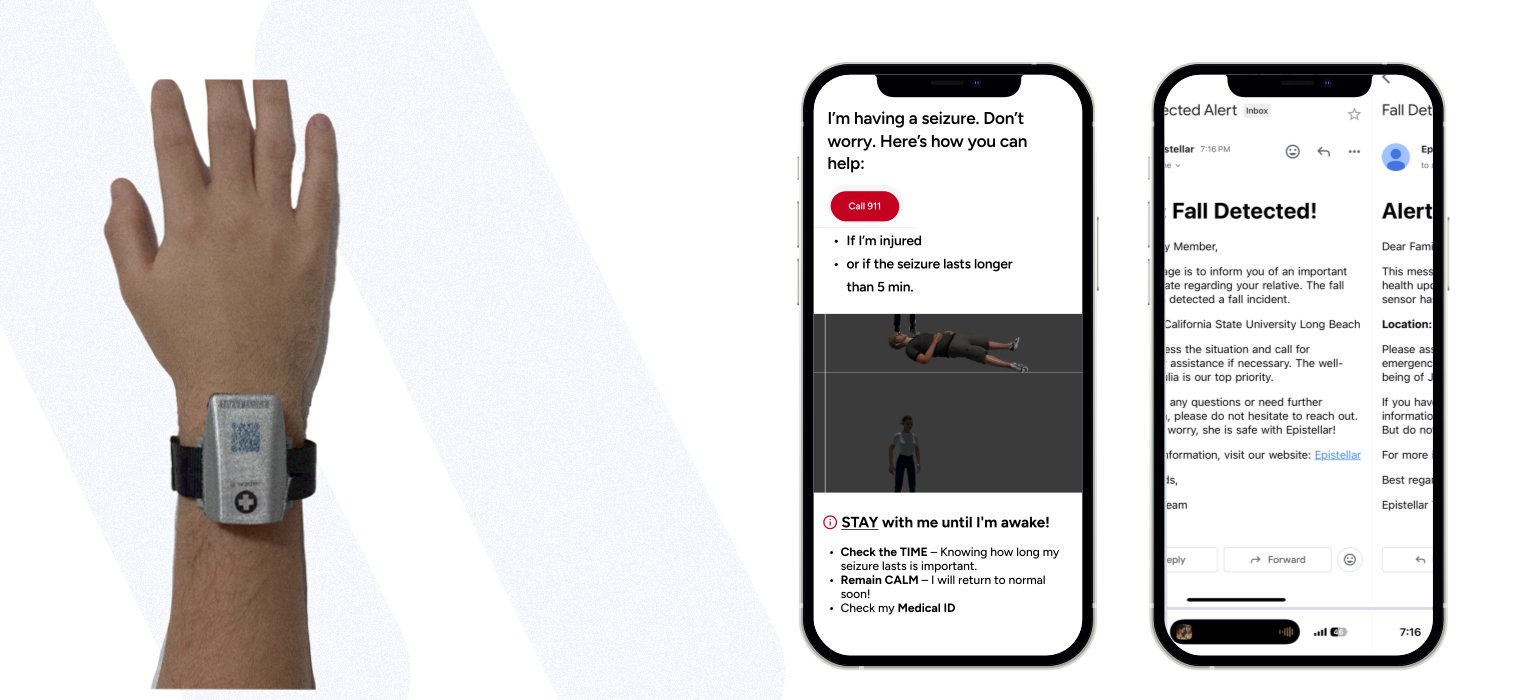
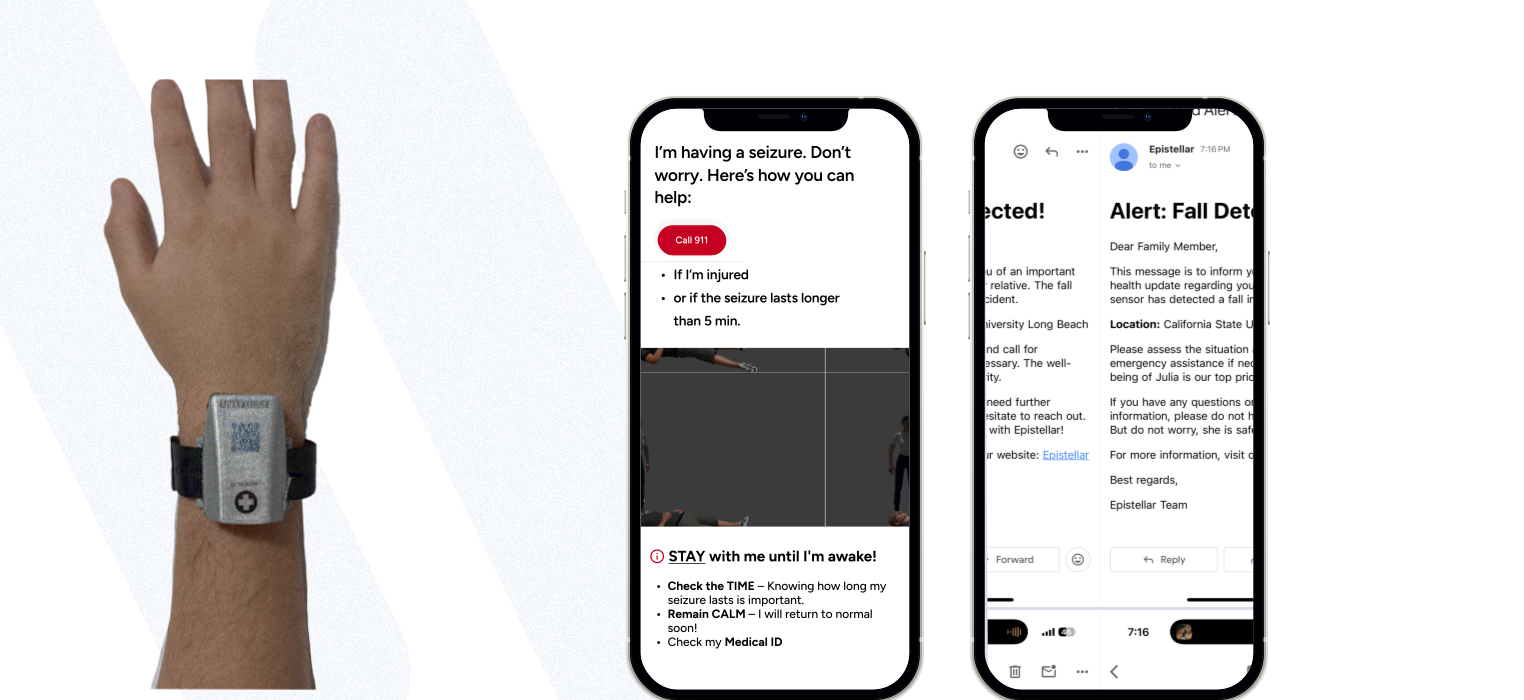

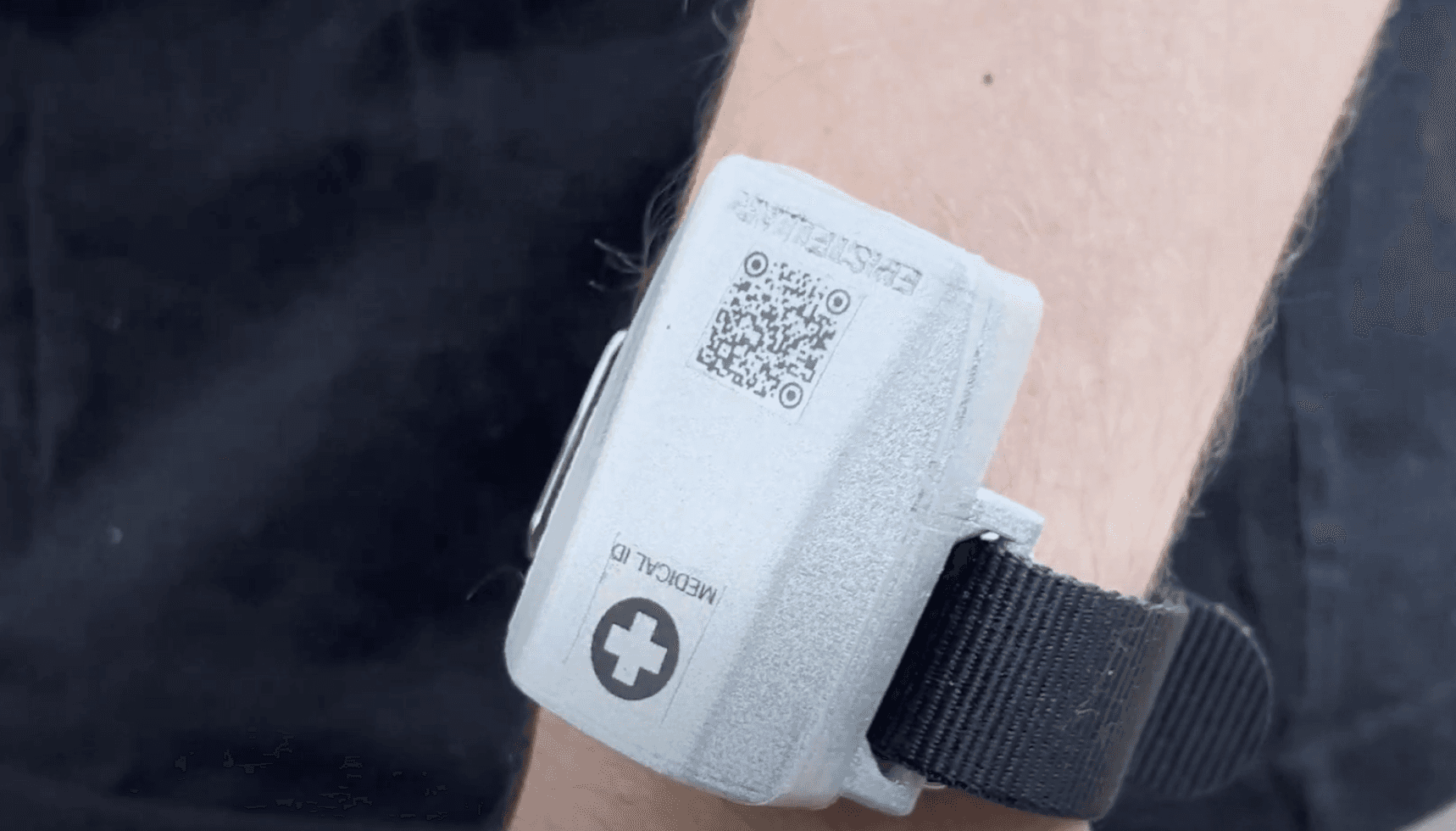
The prototype was created in SolidWorks, rendered in Twinmotion and 3D printed.
User will be able to wear the device in their daily life.
Epistellar
My Role
Product Designer
Timeline
2024
Tools
Figma, Arduino, Intensive User Research, Blender, Twinmotion, Solidworks
Case Study Time
10 min
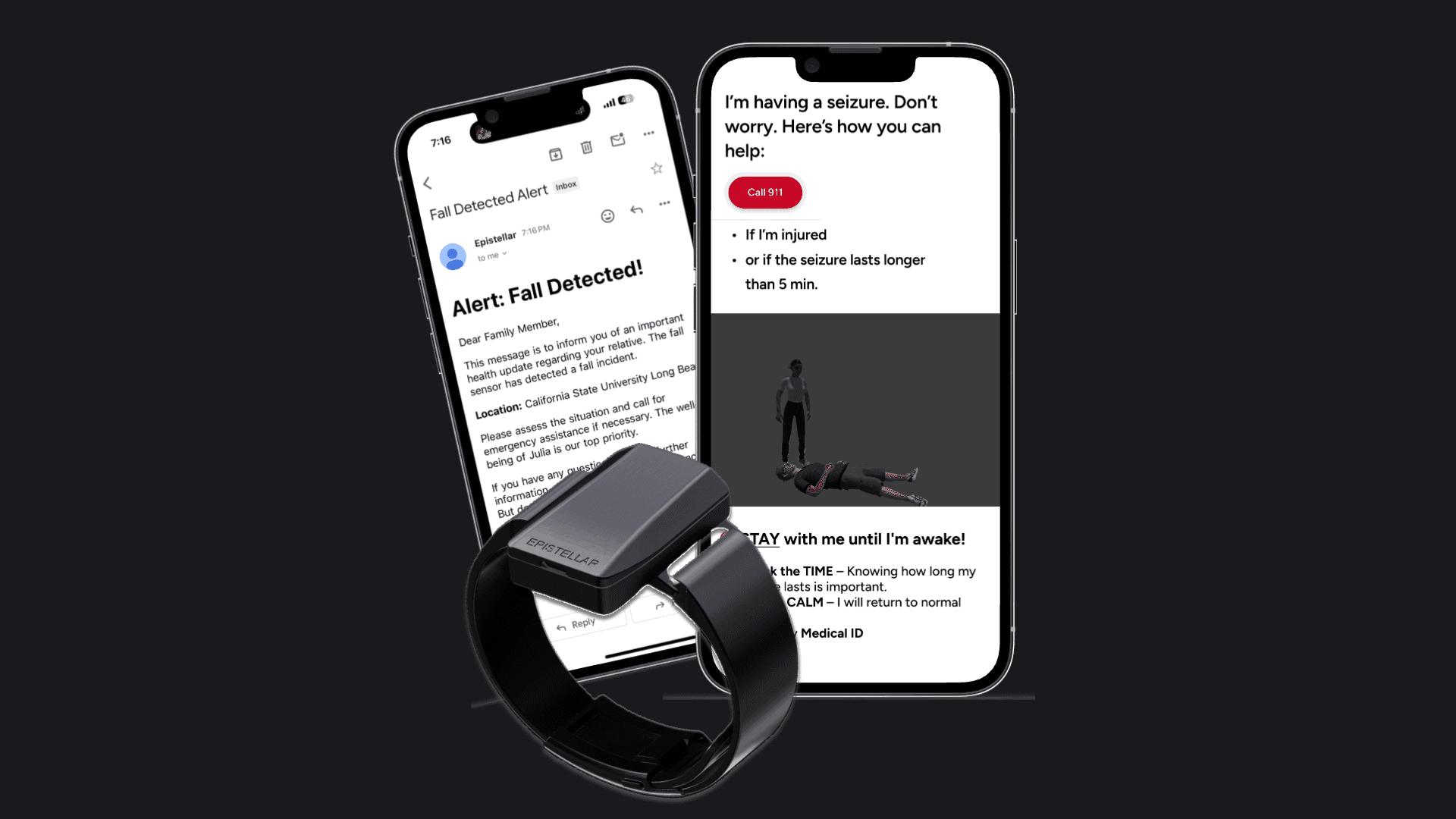
A preventative wearable empowering individuals with epilepsy
through real-time monitoring for enhanced safety and independence.
Project Statement
To empower individuals living with epilepsy to live without limitations, this project seeks to improve safety and increase independence through an innovative wearable experience solution. This project will provide people ability to move independently through their world, providing support and security for which normally a human companion would be necessary.
The Problem
Epilepsy patients can face critical safety issues after a seizure, impacting their independence and leading to social isolation. The lack of awareness in society further increases the risks they face.
The Solution and Value
1- This innovative wearable experience solution detects fall-related seizures
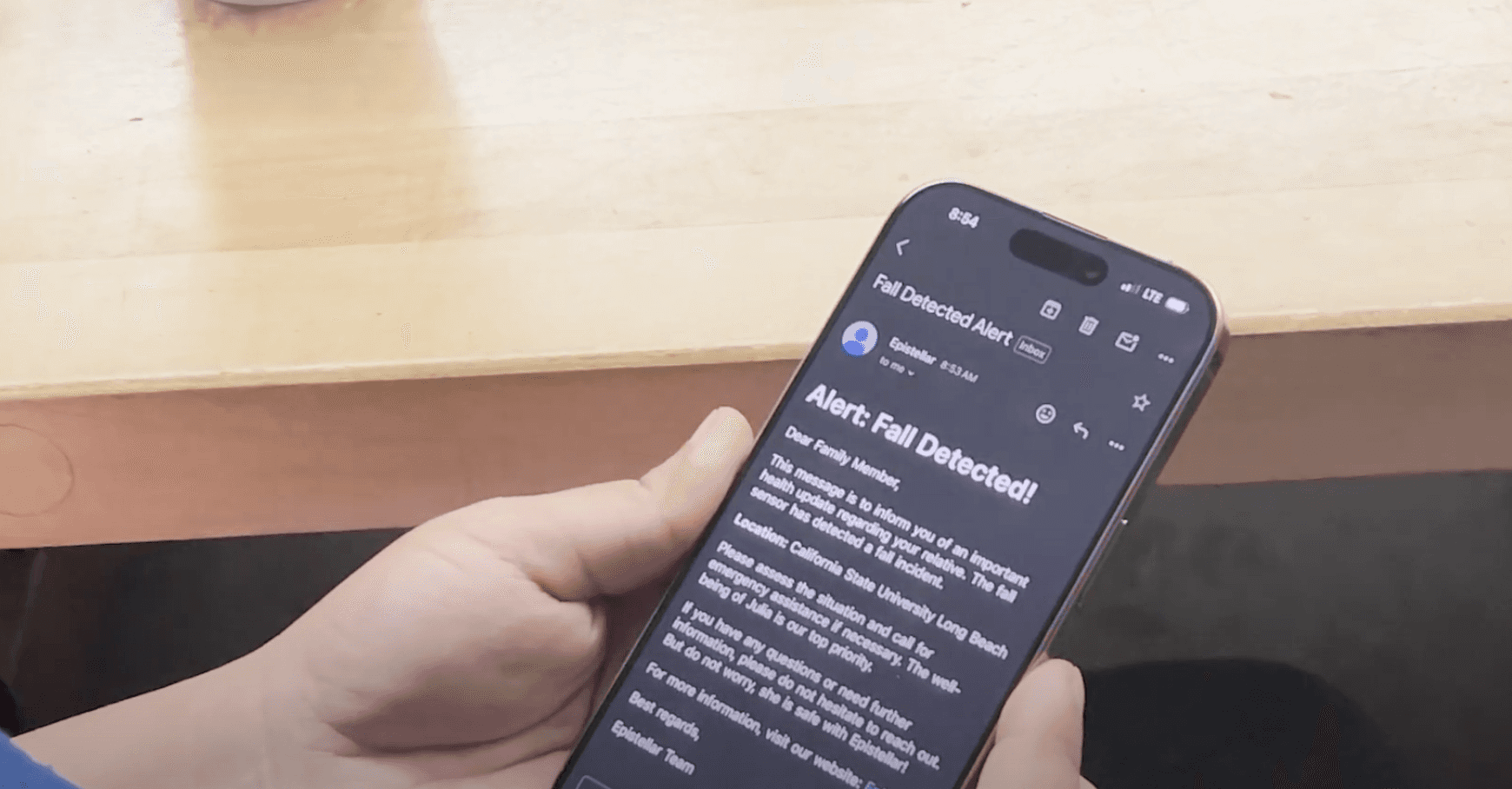
2- Alerts emergency contacts
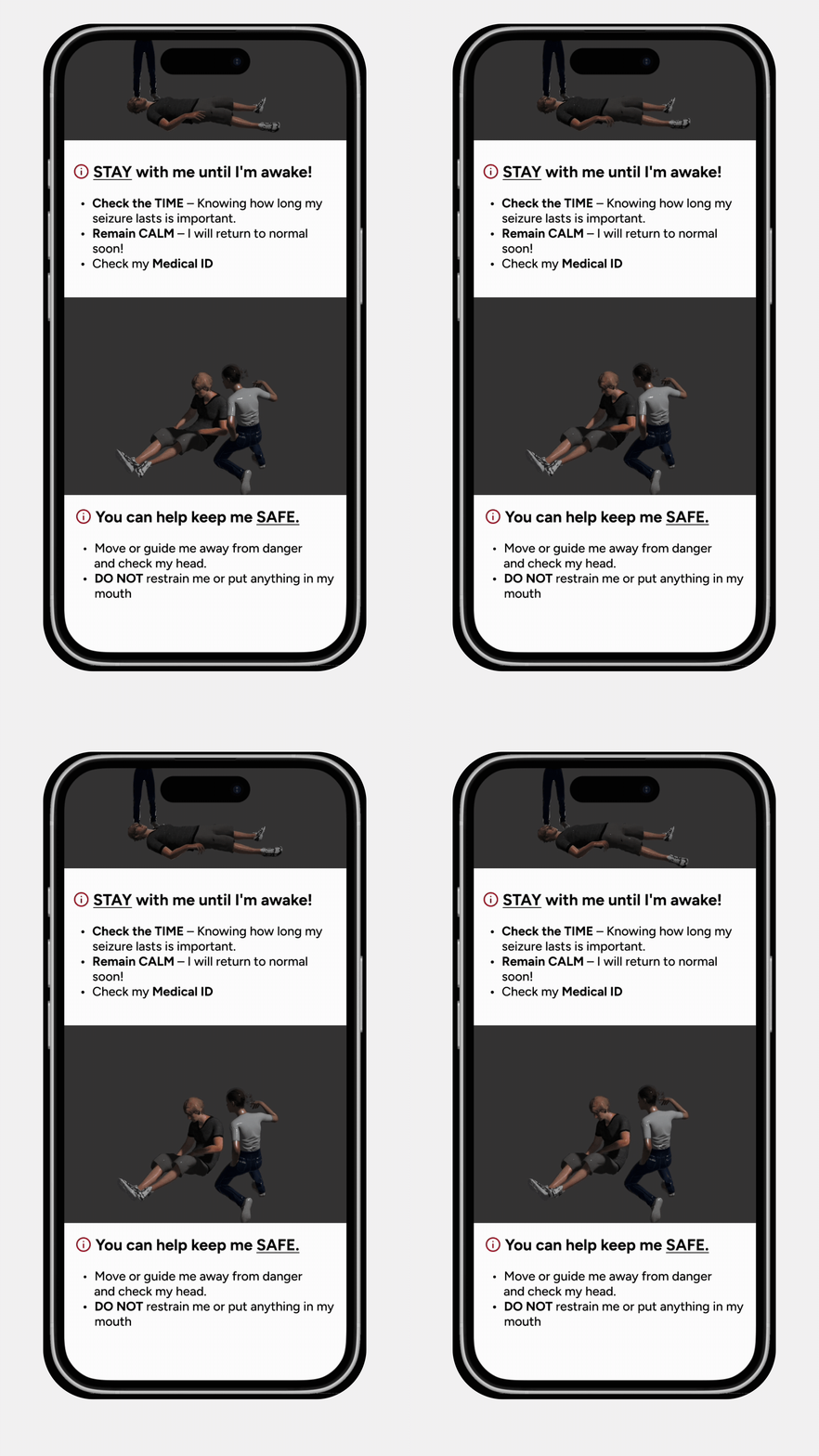
3- Provides hyper-personalized first aid steps, to build a supportive community to solve the lack of adequate support during seizures in public spaces.
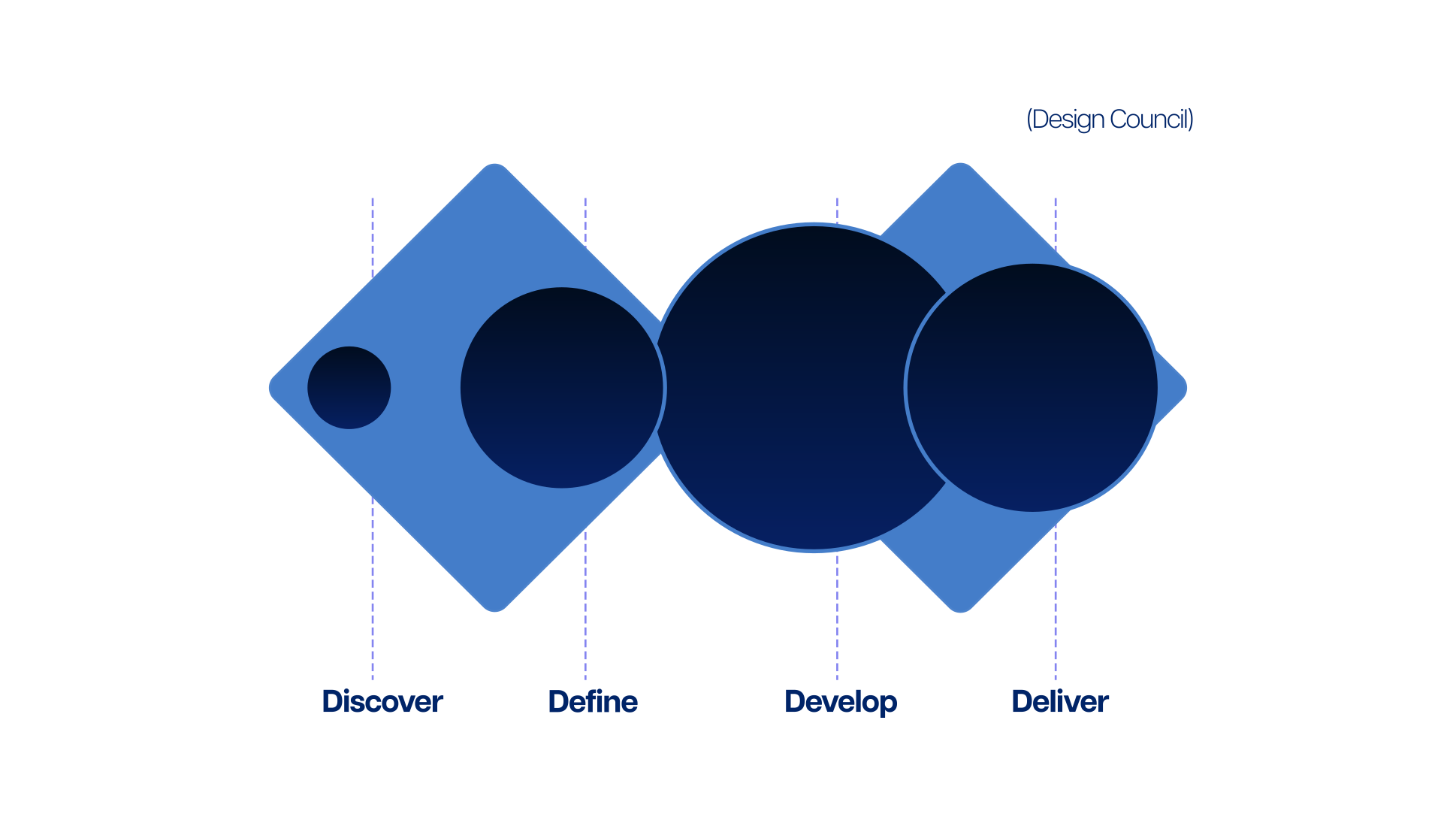
While creating Epistellar, I used the Double Diamond methodology developed by the Design Council.
I collected data from users to serve a broader group, enhancing their usability experience.
I collected data from users to serve a broader group, enhancing their usability experience.
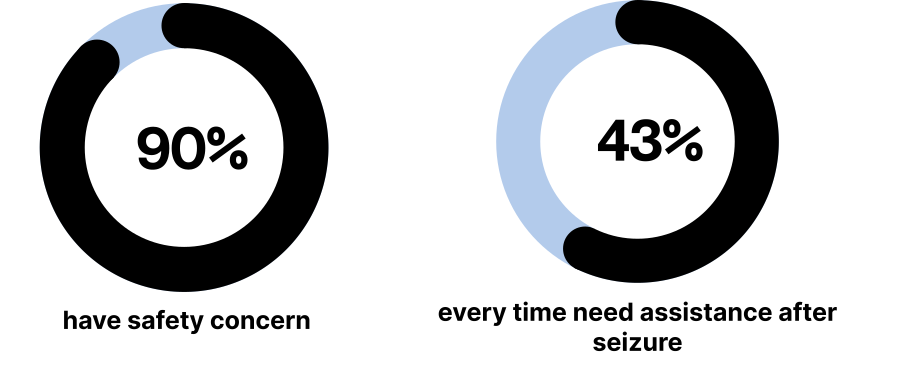
Two surveys were conducted, collecting data from over 45 participants.
According to the second survey results:
20 epilepsy patients
Out of 30 participants,
26%
of them constantly experience falls during their seizures, and 33.3% sometimes experience falls.
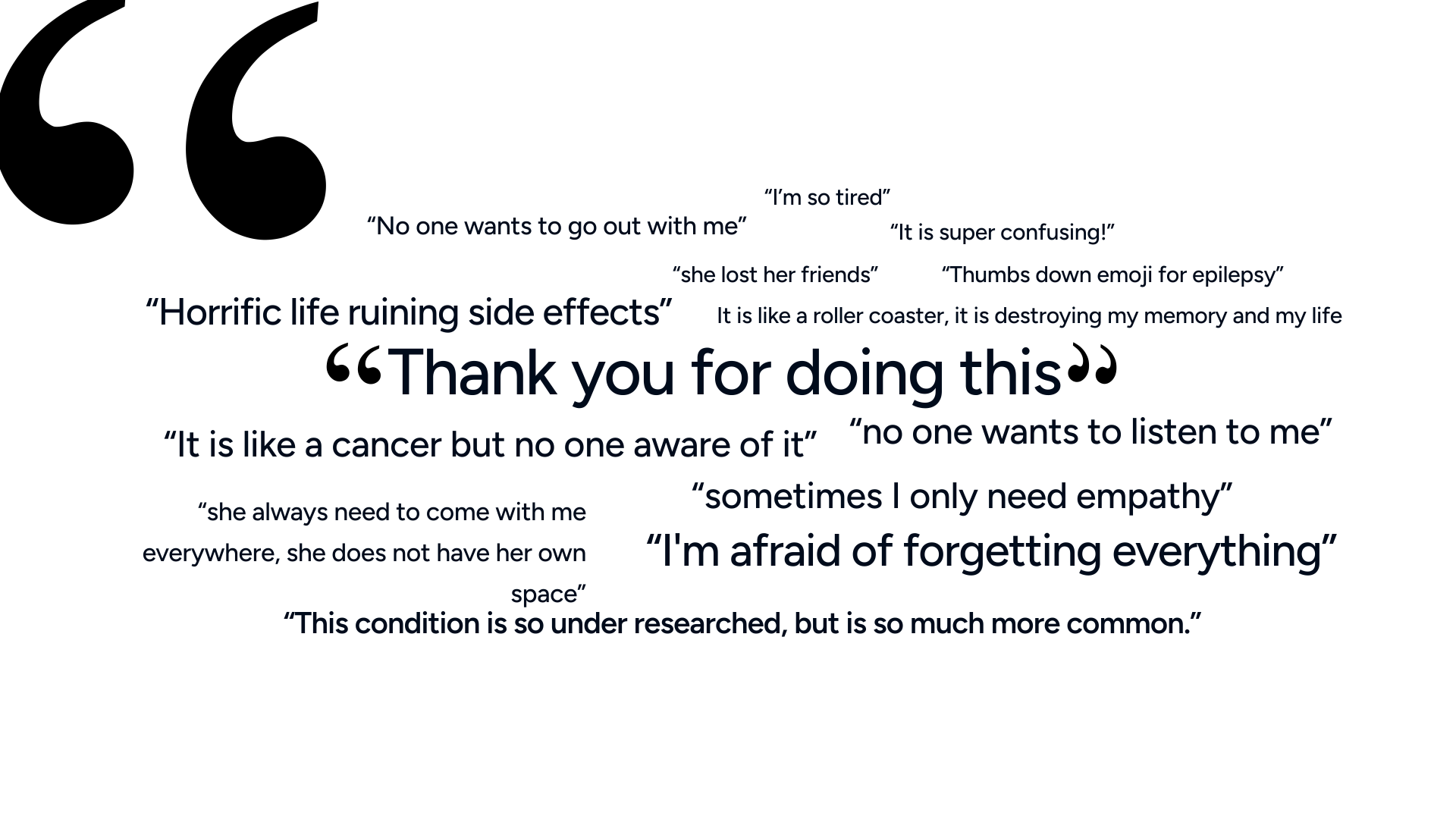
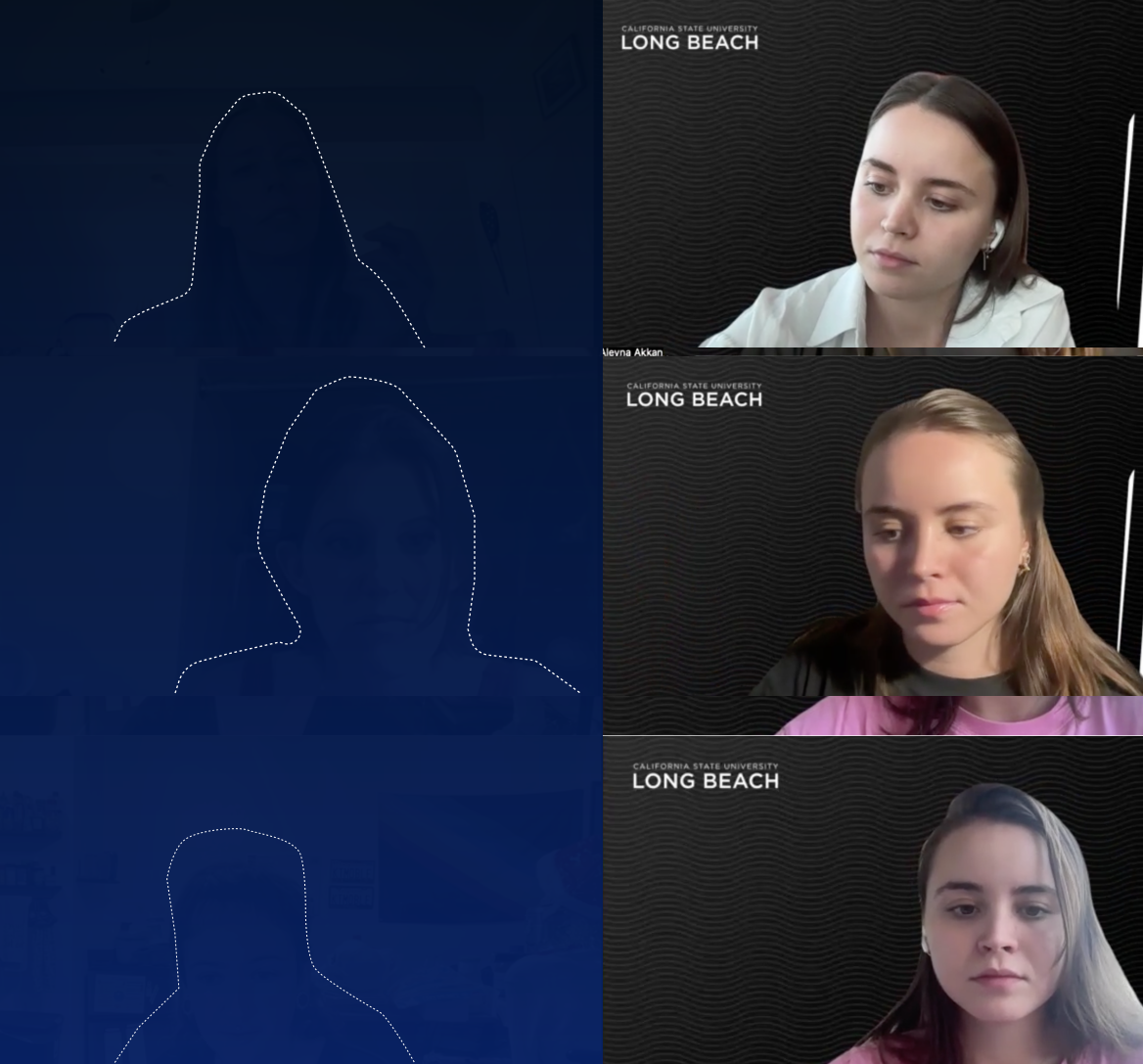
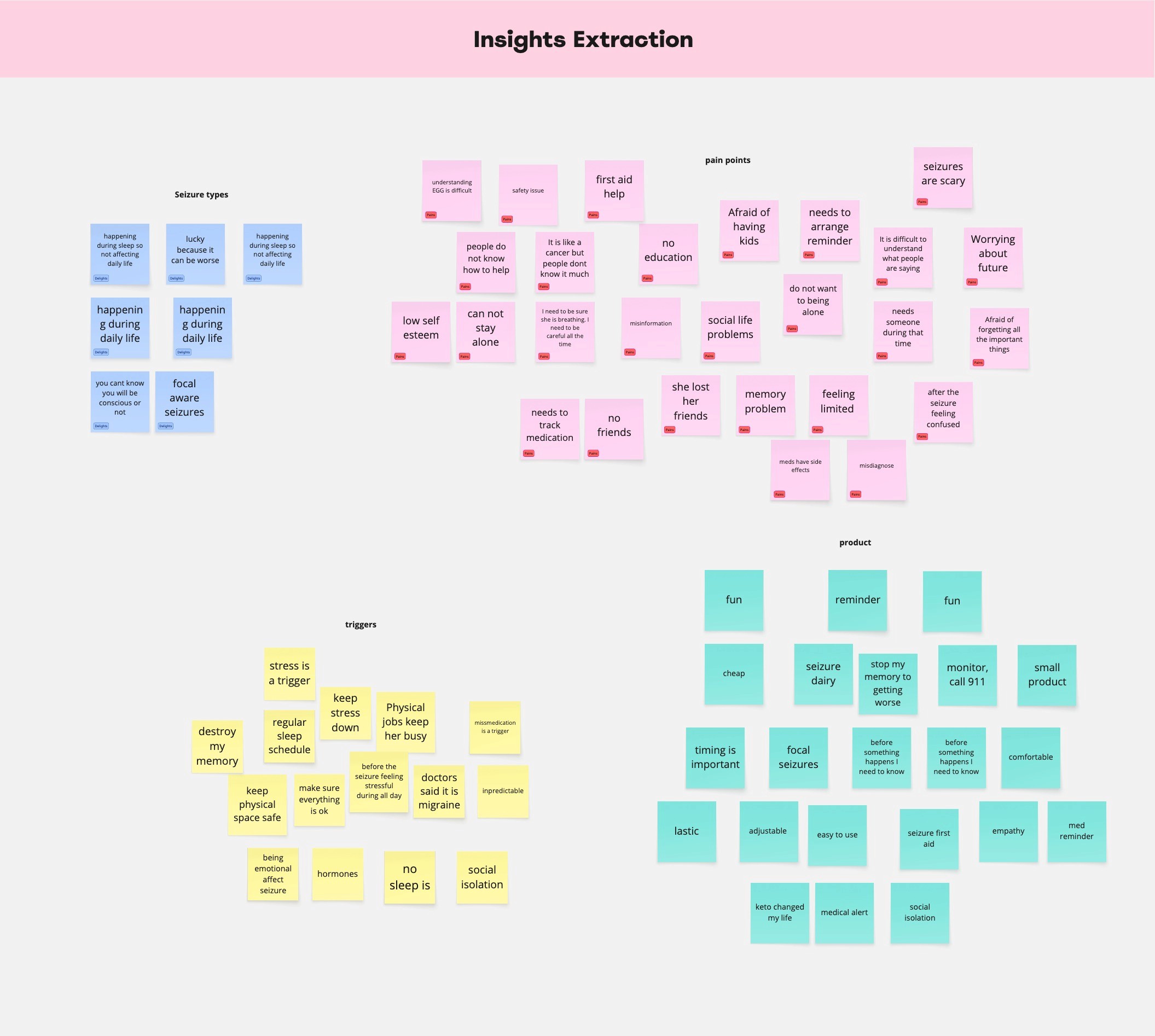
I interviewed five people, three parents and two patients, and gathered novel data to understand the main problems, technological needs, and behaviors during and after a seizure.
Some of the results were unexpected, offering new insights and perspectives.
• Safety & Injury
• No awareness about epilepsy.
• Memory Problems
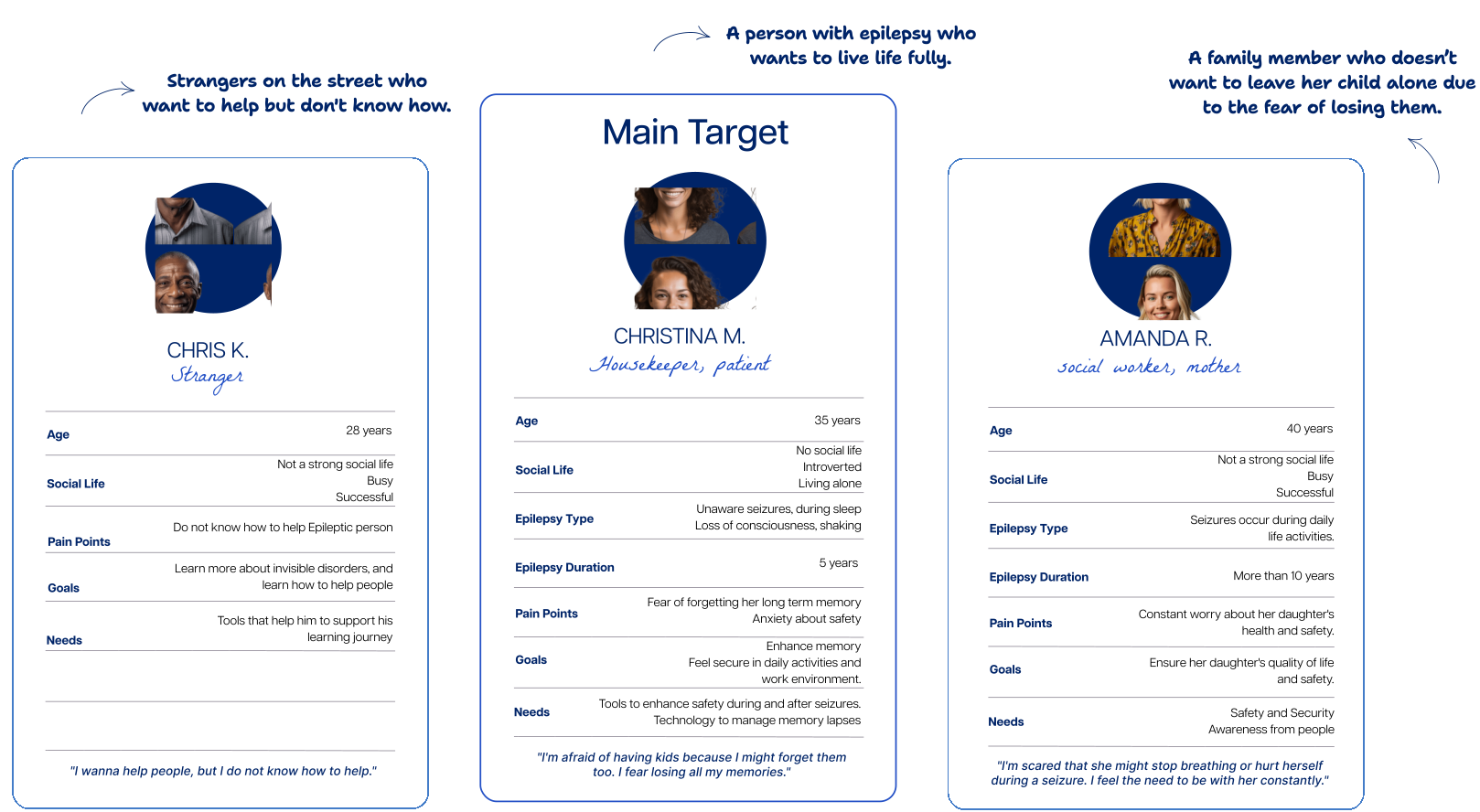
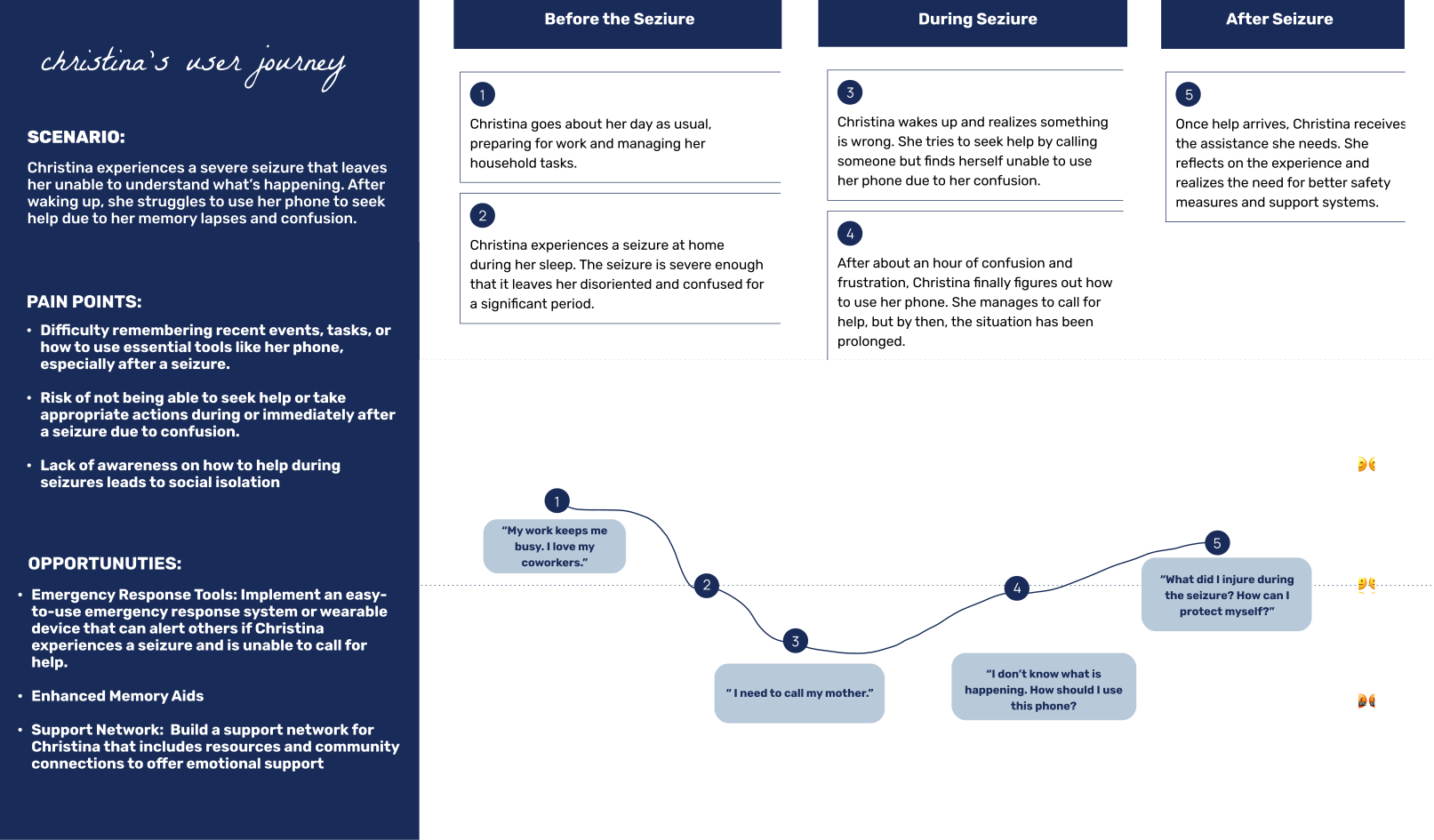
Personas were created as a synthesis of the research data. Developing personas and a journey map helped me better understand users’ pain points and identify solutions within my limited resources.
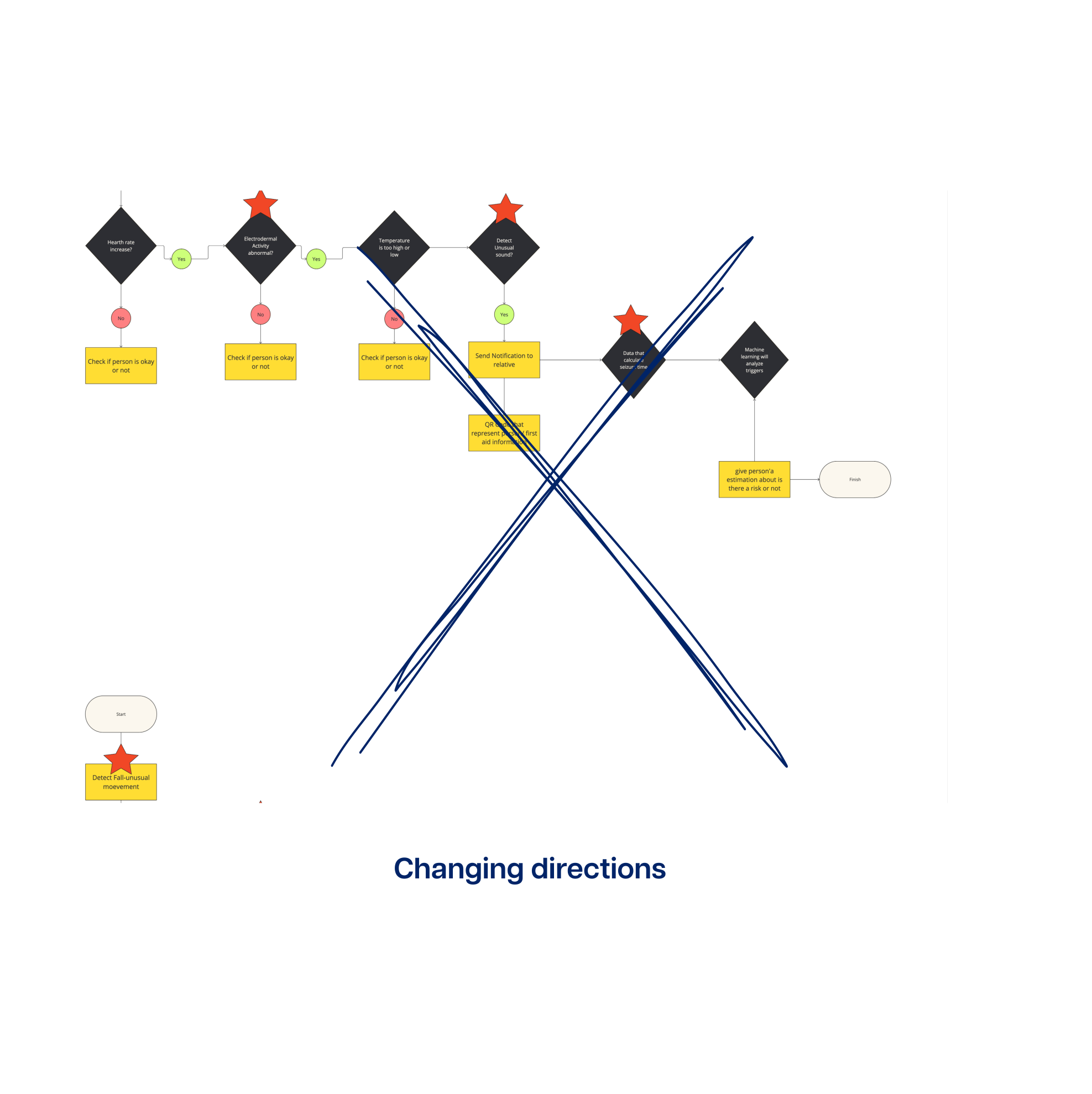
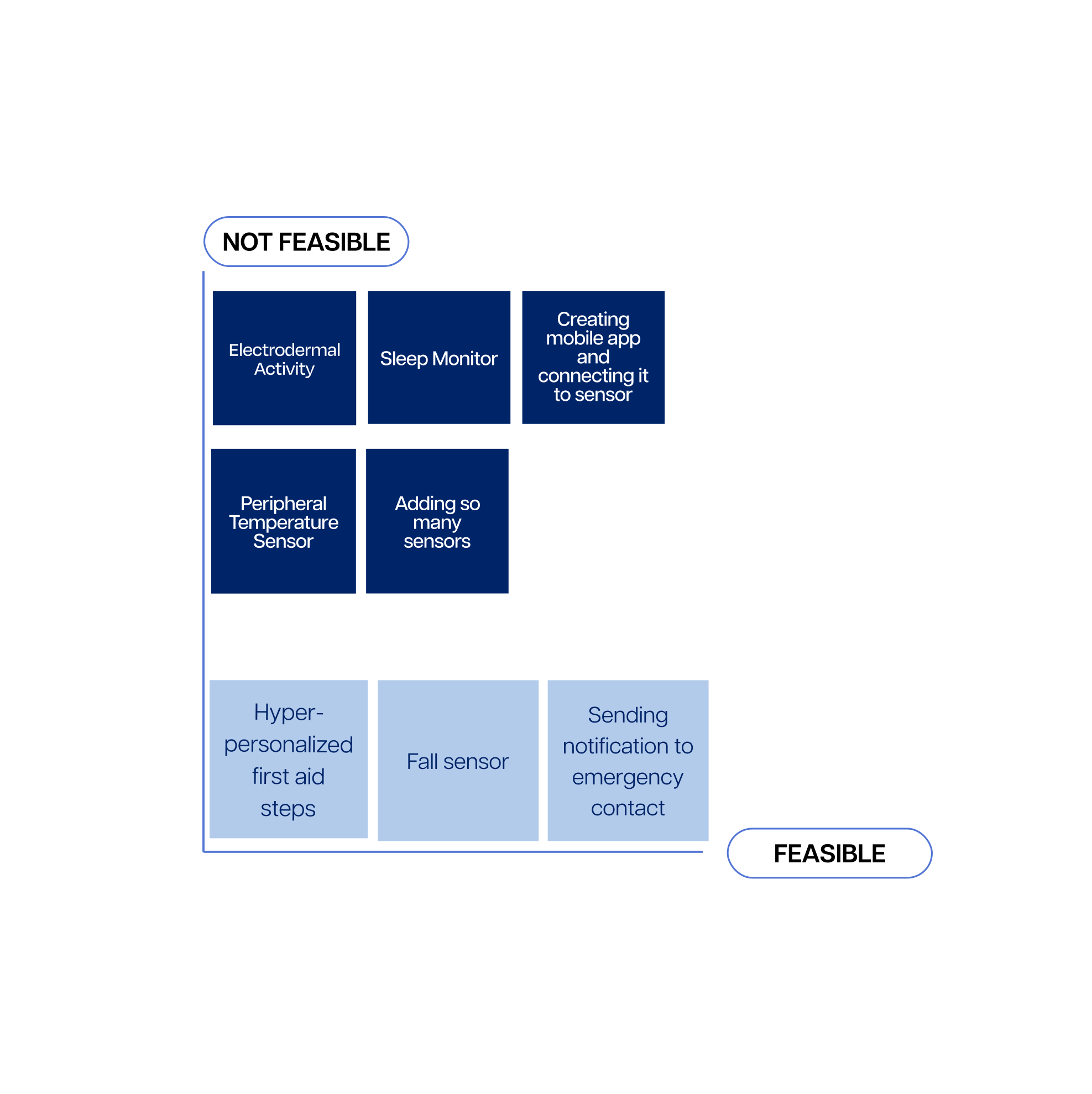
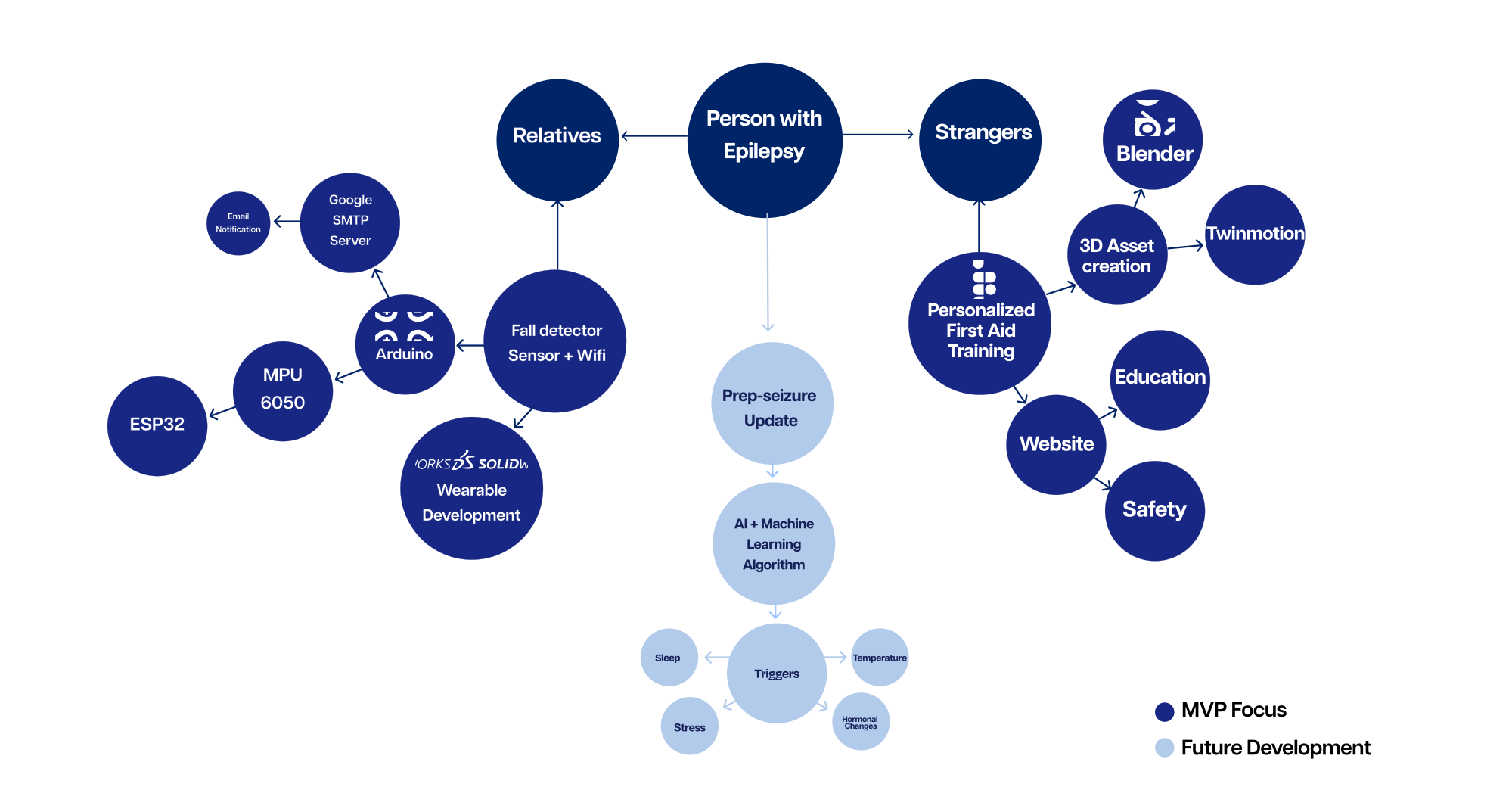
The interview results and feasibility analysis changed my direction.
The MVP map played a pivotal role in shaping my strategic direction.
The MVP map played a pivotal role in shaping my strategic direction.
Bystanders can scan the Epistellar device's code for first aid training.
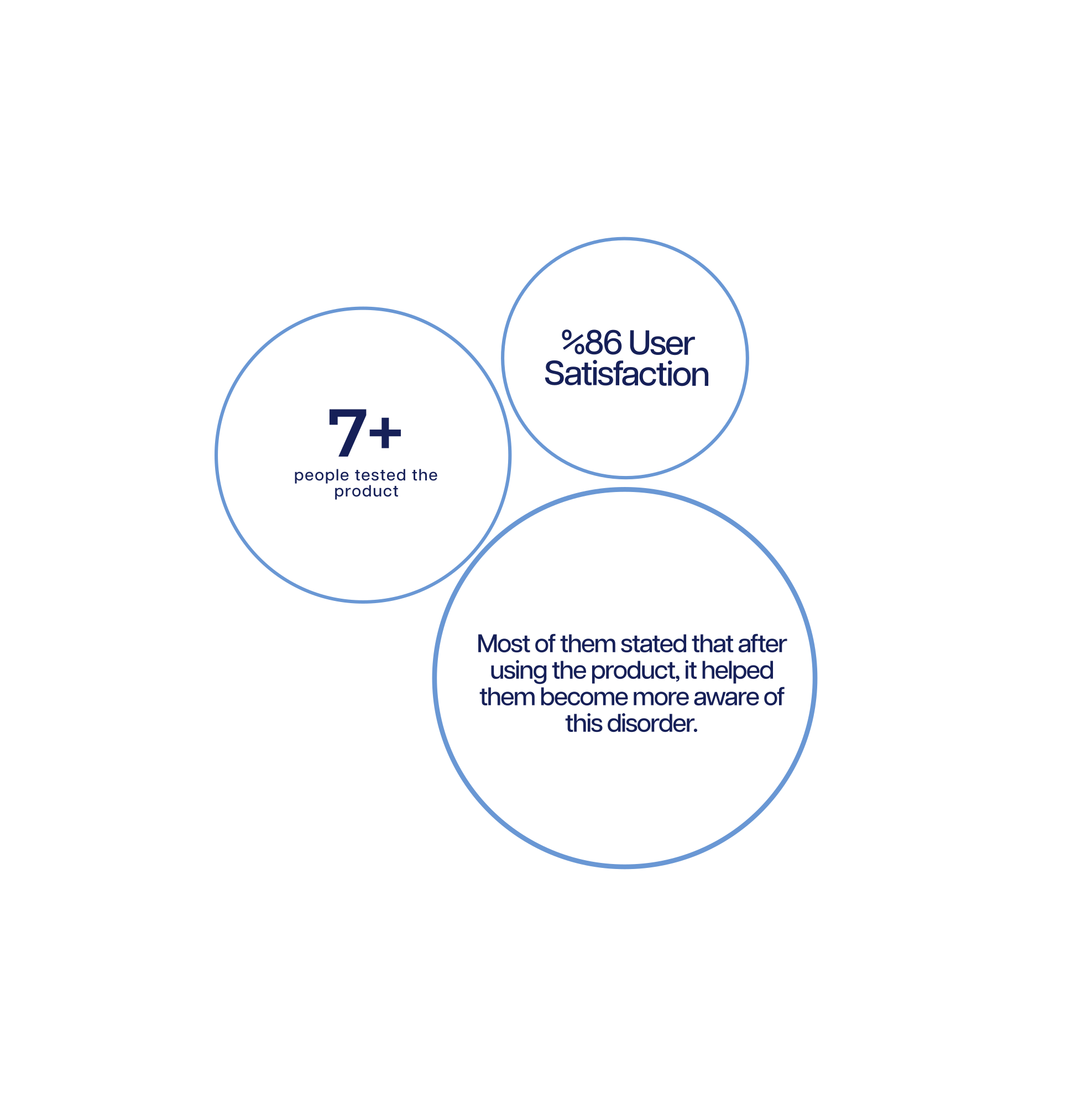
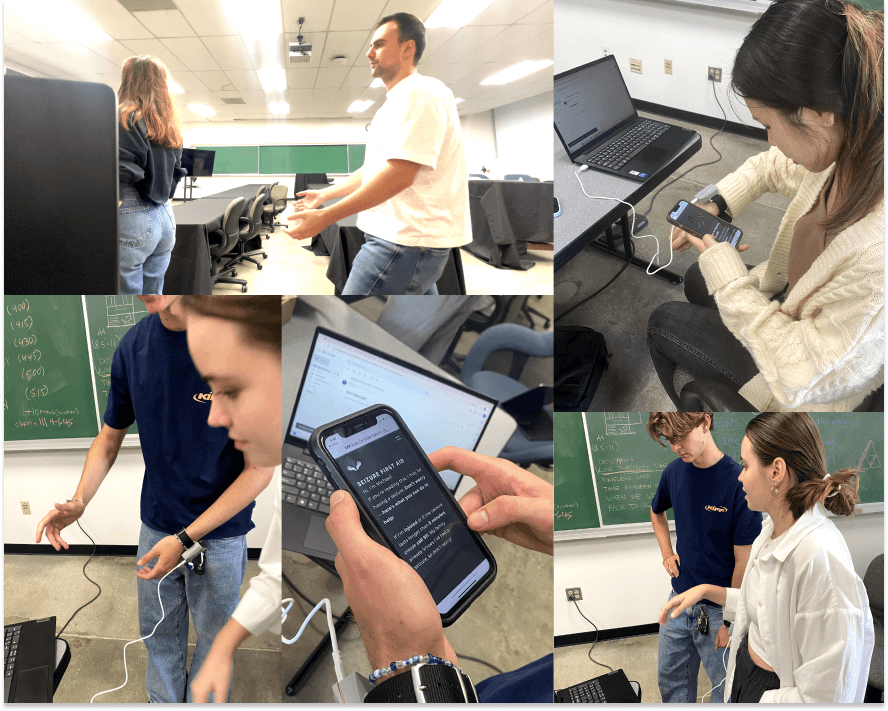
After the first test, iterations were made based on the feedback. The second usability test ensured that everything was functioning as intended.The MVP map played a pivotal role in shaping my strategic direction.
Challenges
• Navigating technical and engineering complexities of the 3D product and wearable design.
• Conducting sensitive interviews with empathy while gathering reliable data
What I learned?
• Product Management
• The Value of Research
• The Value of Learning New Tools
What is Next?
• Developing Epistellar More with adding GPS feature
• Iterating the wearable design for a more minimal look
• Add more sensors to monitor triggers
• By analyzing this data with machine learning, I aim to enable pre-seizure detection